
Bilingualität im frühen Kindesalter: Welche Vorteile hatsie für Kinder?
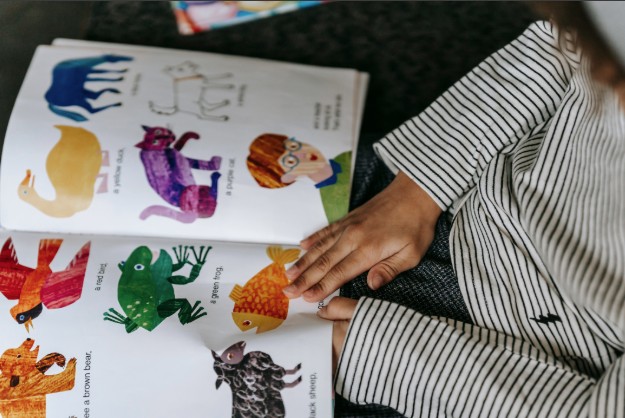
In einer zunehmend internationalen Welt ist es eine grosseBereicherung, mit mehreren Sprachen aufzuwachsen. Viele Kinder wachsen heute inFamilien oder Umgebungen auf, in denen im Alltag mehrere Sprachen gesprochenwerden. Doch welche Vorteile hat Bilingualität für junge Kinder tatsächlich?Und warum eignet sich die frühe Kindheit besonders gut, um eine neue Sprache zuentdecken? Bei Children’s World ist die […]
Help me to do it myself

What does it actually mean “Help me to do it myself”? «According to Maria Montessori, every child is the master builder of itself. From birth, it has an inner blueprint with individual strengths, weaknesses and abilities to become the person it is. From this point of view, Montessori’s guiding principle, “Help me do it myself,” […]
Children’s imagination

Children’s imagination
Children’s imagination We can all constantly observe that children live out their great imagination on a daily basis. They tell or play fantastic stories and invent creatures and figures such as dragons, monsters, fairies and many more. For us adults, this sometimes proves to be rather difficult and it takes more effort to let our […]
Why theatre education?
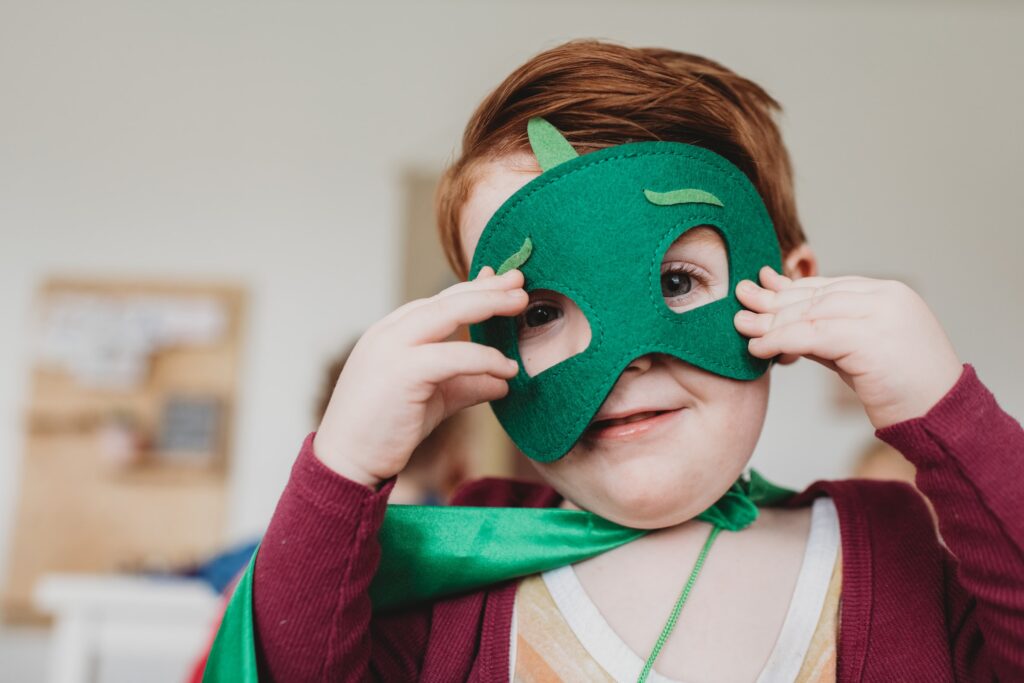
Why theatre education? I would like to briefly explain what drama education is and how it can influence our development: Through play, different life situations are re-enacted, with the awareness that the situation is fictitious, it is illustrated. It encourages the discovery of one’s own personality. Theatre education offers us the possibilities to perceive our […]
Our senses
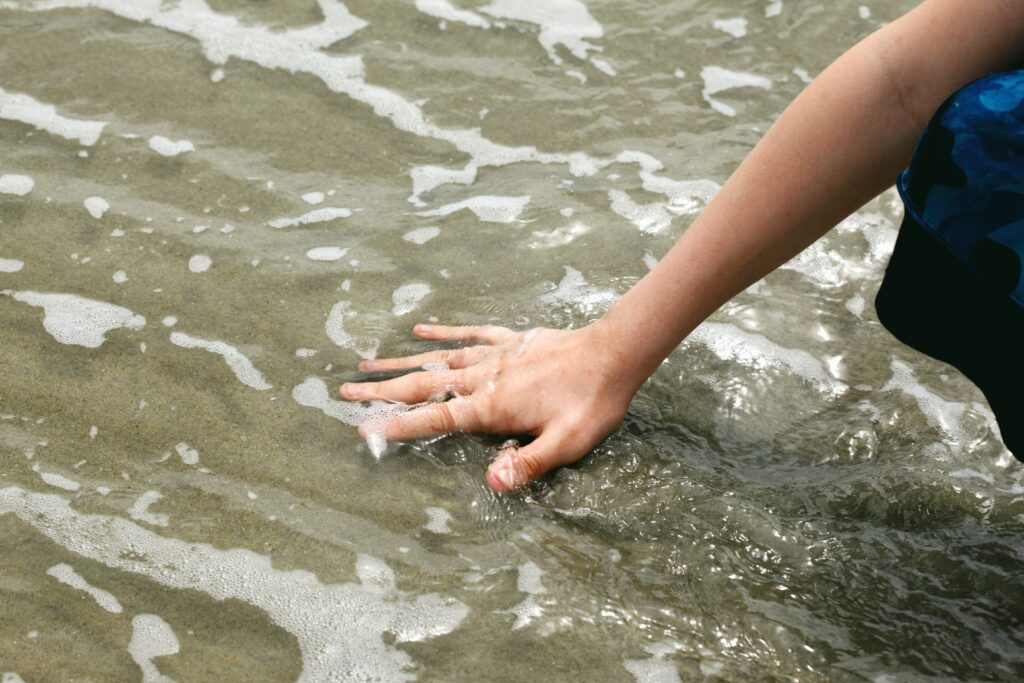
Our senses «Please do not touch or please do not take this in your mouth». These are requests that we make often or even too often in everyday life. The child does not understand why we are interrupting its discovery tour. It just wanted to perceive how the wooden building block felt in its mouth. […]
The forest is boring …

… there are no toys! Upon arriving back from our forest trip, I picked up one of the children’s backpacks to repack it with the dirty clothes … wow … it was REALLY heavy! The child had discreetly collected … collected what? … treasure … not a whimper or peep had she made the whole way […]
The binding
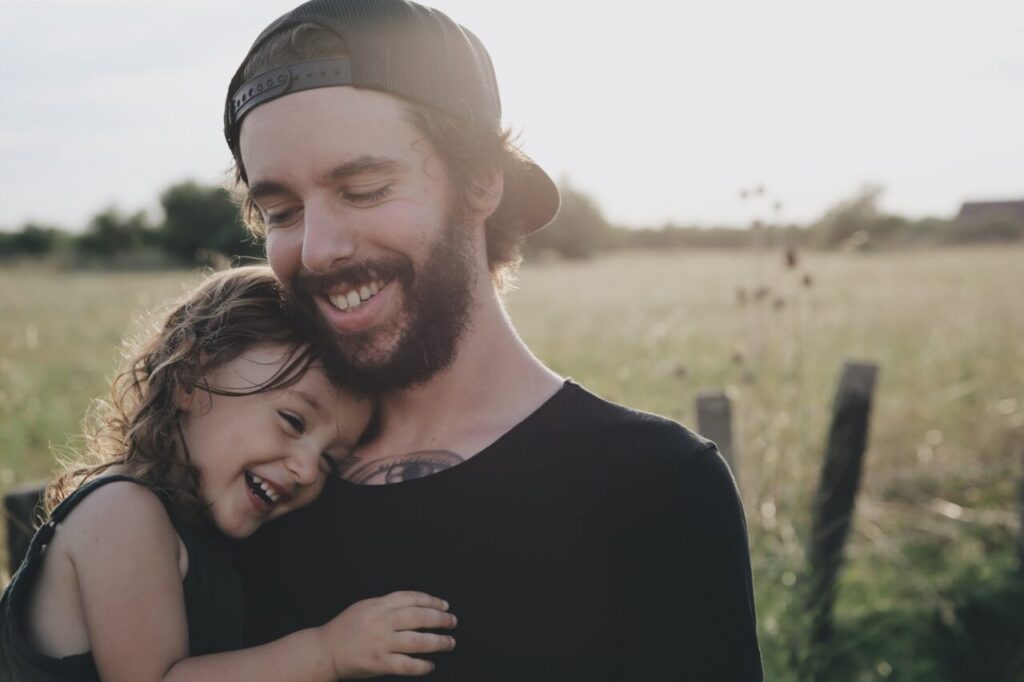
When a child is new to a day care center, they leave the close circle of the family. For many children it is usually the first time that they leave this circle and they behave insecurely and sometimes also anxiously in the new situation. In the transition phase, it is very important for the child […]
The First Chinese Lesson

A new school year starts. We have 35 children, with 14 different nationalities. Our first theme is ‘You, me and we’. It’s time to get to know each other and to build trust and friendship. On Tuesday morning, I gave Chinese Lesson to two groups of children: one group is of more advanced in Chinese […]
The importance of boredom

“Humans need animation-free phases to develop, which is no different in children than in adults, so one has to be grateful that humans invented the smartphone long after the wheel.” (Michael Neudecker) “I’m bored! ” or: “I don’t know what to do! ” are statements of children, that quickly put some parents under pressure and make […]